
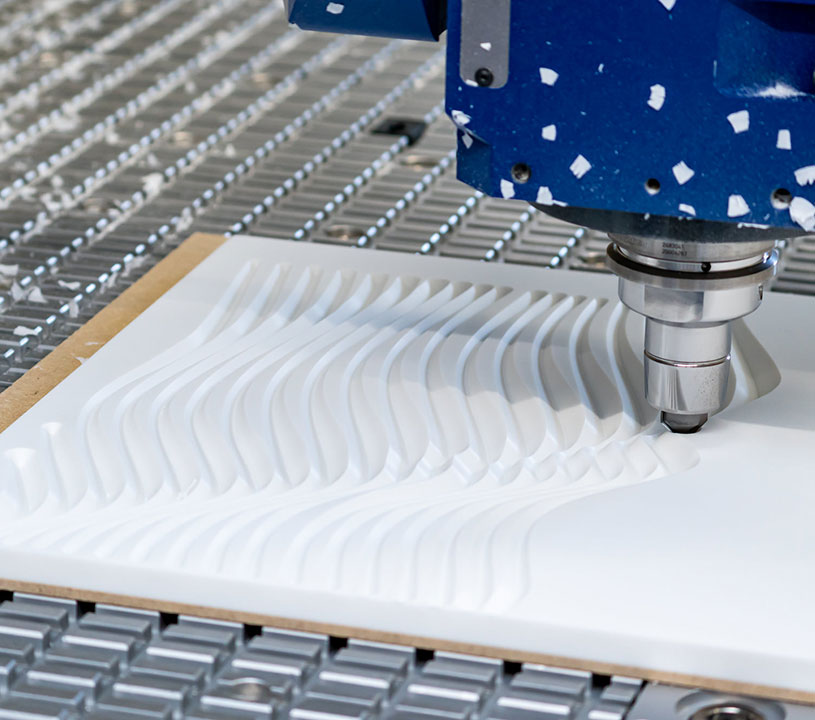
Solid surface features
Solid surface has distinctive properties that make it particularly versatile in interior fittings:
- Can be processed seamlessly – for smooth, continuous finishes
- Suitable for thermoforming – for creating curves and organic geometries
- Non-porous and hygienic – ideal for kitchens, bathrooms and healthcare environments
- Durable and repairable – surfaces can be refinished
- Translucent – suitable for backlit elements
- Even, solid colour – consistent appearance even when processed
As solid surface experts, we supply products from all major manufacturers


More info about the material – Frequently asked questions about solid surface
Typical applications include kitchen worktops, washbasins, wall cladding, furniture and areas where high standards of hygiene and design are required.
Damage such as scratches and signs of wear can usually be smoothed out or refinished easily, which preserves the surface long-term.
Yes, its non-porous surface means it is impenetrable to both moisture and bacteria, making it ideal for areas where hygiene is a priority.
Solid surface is an industrially manufactured composite material. Unlike natural stone or ceramic, it can be processed seamlessly and offers much greater flexibility in terms of design.
Downloads
Do you have an idea?
We’ll help you make it a reality. Talk to us about your project – whether it’s a bespoke counter, a museum façade or something else entirely.
Frequently Asked Questions:
Rosskopf + Partner works with high-quality solid surface materials from renowned manufacturers. Our current product line includes Corian® and HIMACS®.
These materials offer a wide range of design options in terms of colors, patterns, finishes, and thicknesses. Specific availability may vary depending on the manufacturer and product.
Depending on the material and design, various edge profiles and edge finishes are possible. These include, for example, straight, chamfered, or rounded edges, as well as custom solutions tailored to your project. We will assess the technical feasibility based on your plans.
Depending on the material, a wide selection of colors, designs, and finishes is available. Many options are available on short notice; others can be sourced from our suppliers on a project-by-project basis. Since manufacturers regularly update their product lines, we’d be happy to check the specific availability for your project.
Rosskopf + Partner works with a wide selection of high-quality materials from renowned manufacturers. Our current product range includes various materials and brands:
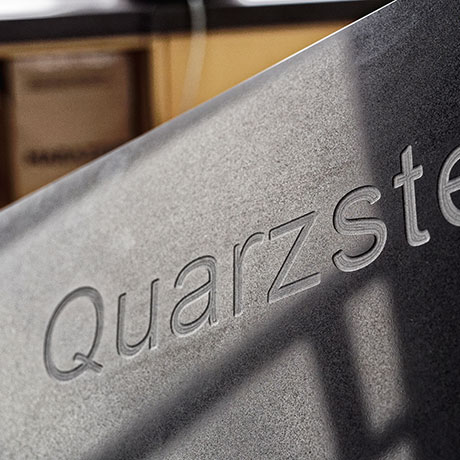
Quartz material: Basic Quartz, Caesarstone®, Silestone®
Solid surface: materials: Corian®, HIMACS®
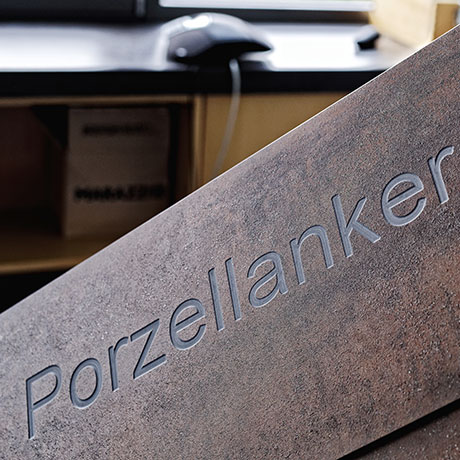
Porcelain ceramic: Dekton®, Laminam, Neolith®, Caesarstone®
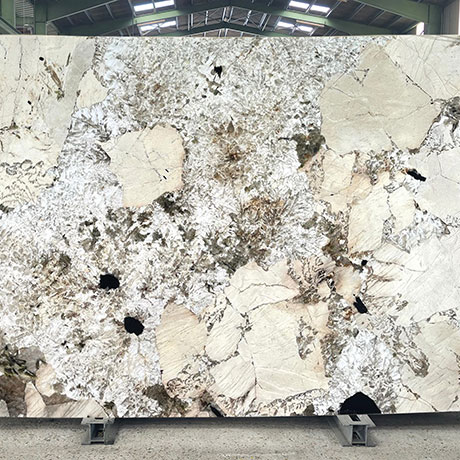
Natural stone: Various natural stones in different finishes
The specific availability of individual colors, patterns, finishes, and material thicknesses may vary depending on the manufacturer and product.
There are various suitable materials available for outdoor use. Key factors include UV resistance, weather resistance, construction, and the specific application. Porcelain ceramics, for example, offer high resistance to UV rays, water, and temperature extremes. We would be happy to advise you on the appropriate material selection for your specific project.
Porcelain ceramic is characterized by exceptionally high scratch and abrasion resistance. Rosskopf + Partner specifies, among other things, a material hardness of 8 on the Mohs scale for porcelain ceramic. Quartz material and natural stone also have high hardness and scratch resistance. However, which material is most suitable always depends on the specific application and design requirements.
Solid surface material is suitable for everyday use, but it is not completely scratch-resistant. One major advantage is that it can be repaired: Depending on the material and finish, many superficial signs of wear can be professionally sanded down or refinished. Deep damage should be assessed by a professional contractor.
Solid surface is an industrially manufactured composite material used for high-quality surfaces and components. It is non-porous, thermally formable, uniformly dyed throughout, and can be installed with minimal seams. This makes it particularly suitable for kitchens, bathrooms, healthcare facilities, and high-end interior design projects.
Yes. Rosskopf + Partner manufactures custom-made countertops, taking into account, among other things, the room’s geometry, cutouts, edges, joints, and the selected material. Upon request, on-site measurements, delivery, and installation can also be included in the project.
Porcelain ceramic and natural stone are known for their high heat resistance. However, the amount of stress a specific countertop can withstand depends on the material, finish, construction, and manufacturer. Therefore, you should always follow the project-specific care and usage instructions.
Solid surface is an industrially manufactured composite material that can be thermoformed and installed with minimal seams. Quartz material offers a uniform appearance and consistent quality. Natural stone is a unique, one-of-a-kind material. Porcelain ceramic is particularly hard and resistant to heat and UV rays.
The best kitchen countertop depends on how it will be used, the design, maintenance requirements, and your budget. Solid surface is particularly well-suited for seamless, custom-shaped designs; porcelain ceramic offers high heat and scratch resistance; quartz material offers uniform, low-maintenance surfaces; and natural stone provides a unique, high-quality look.